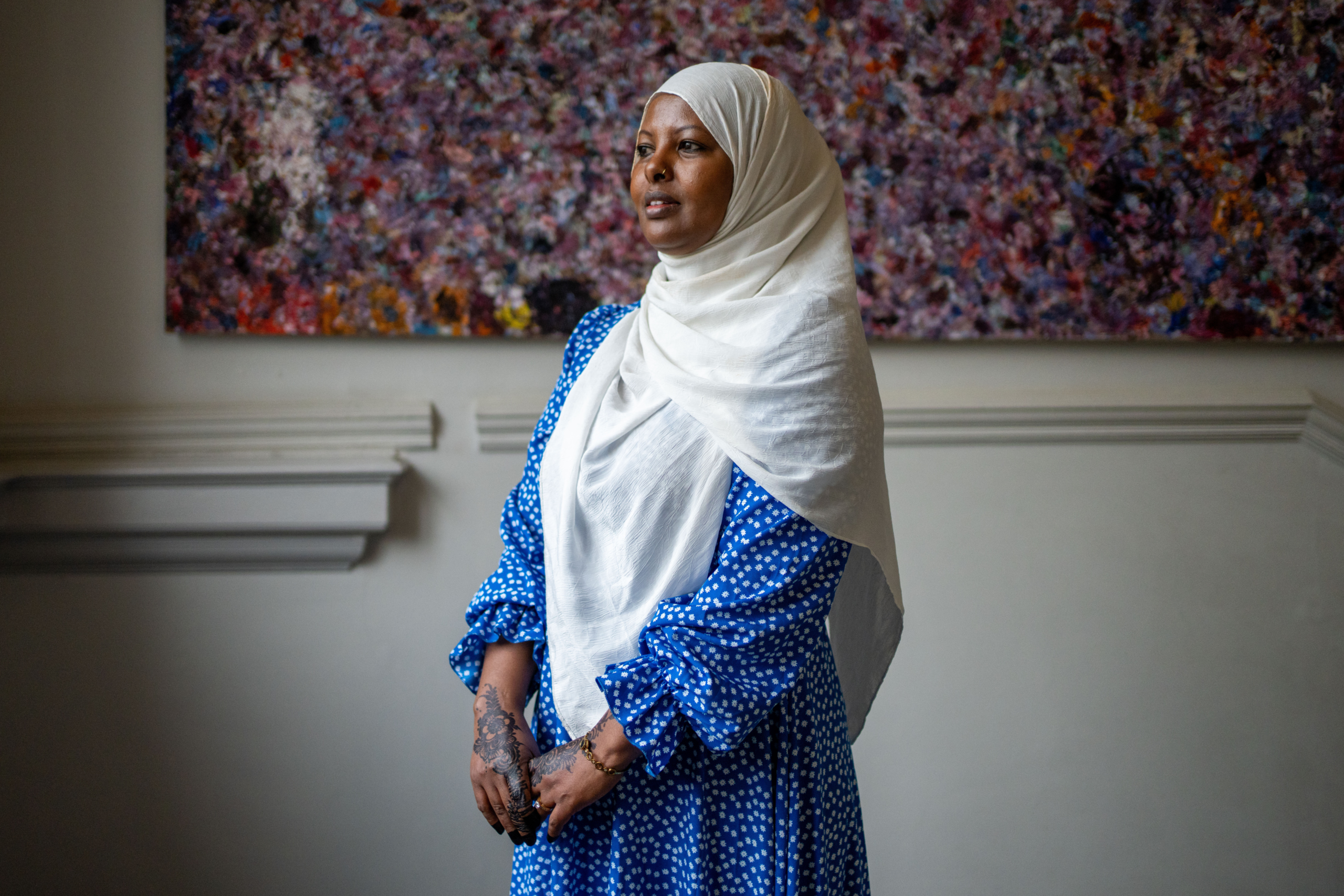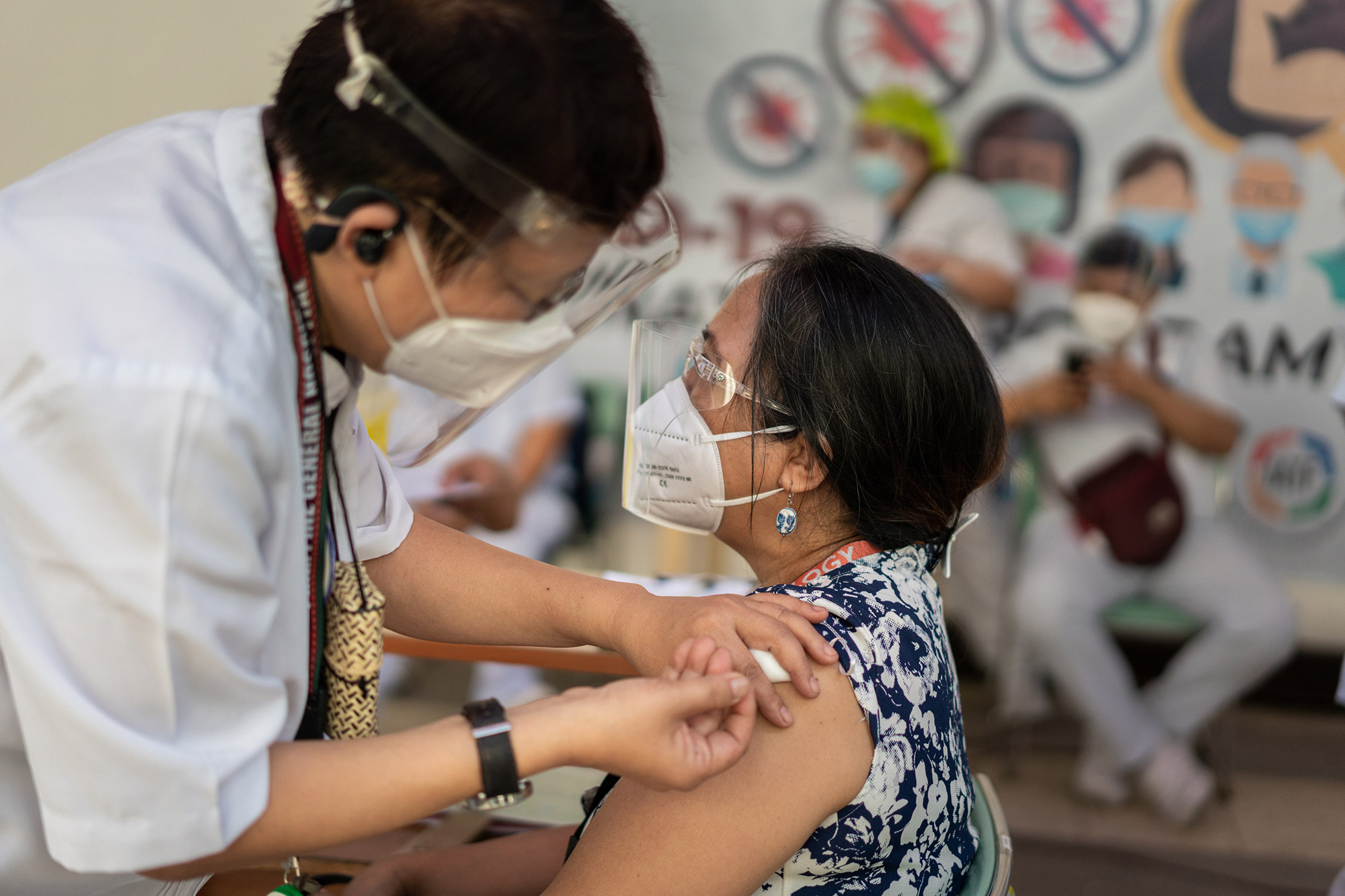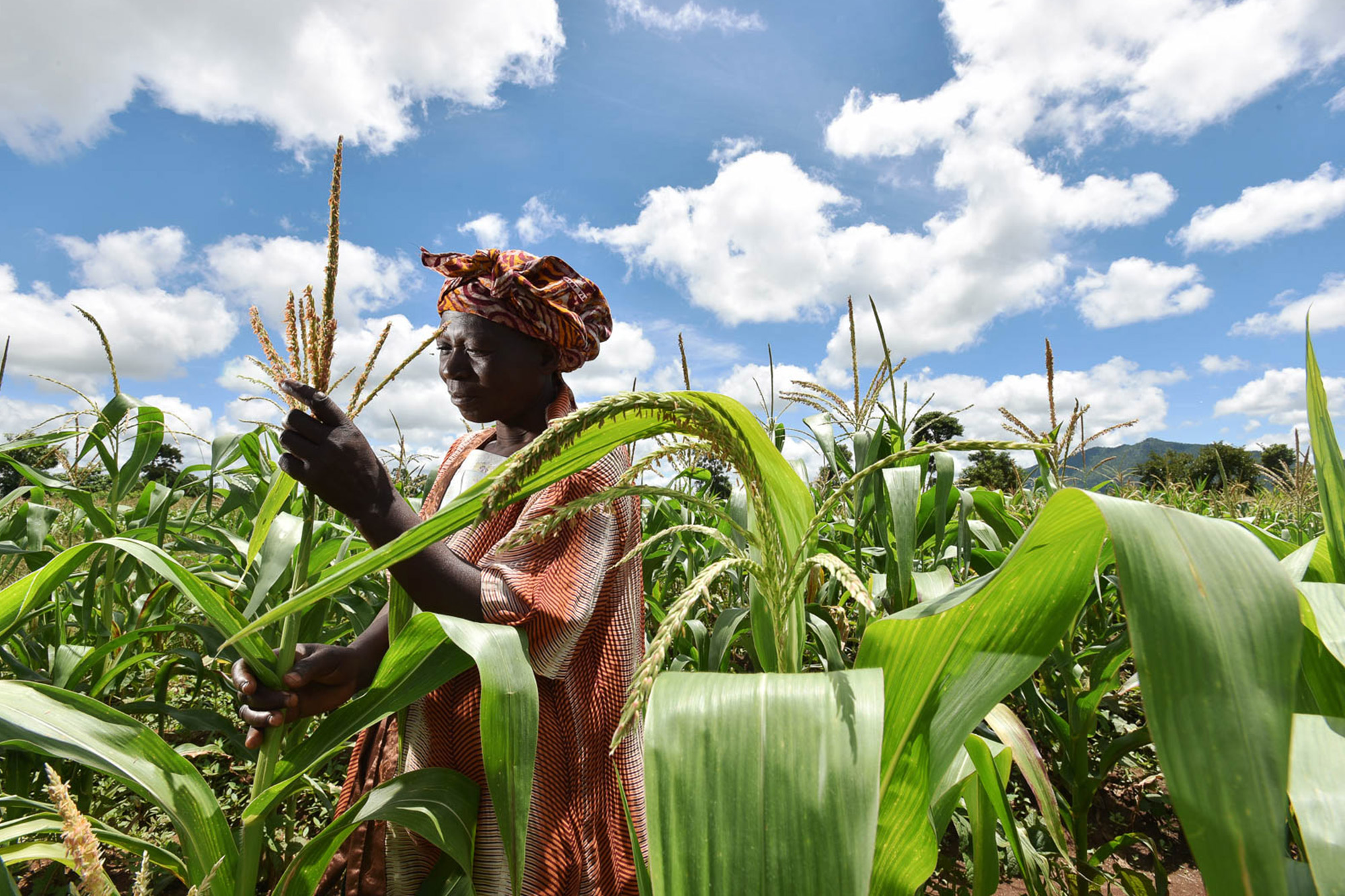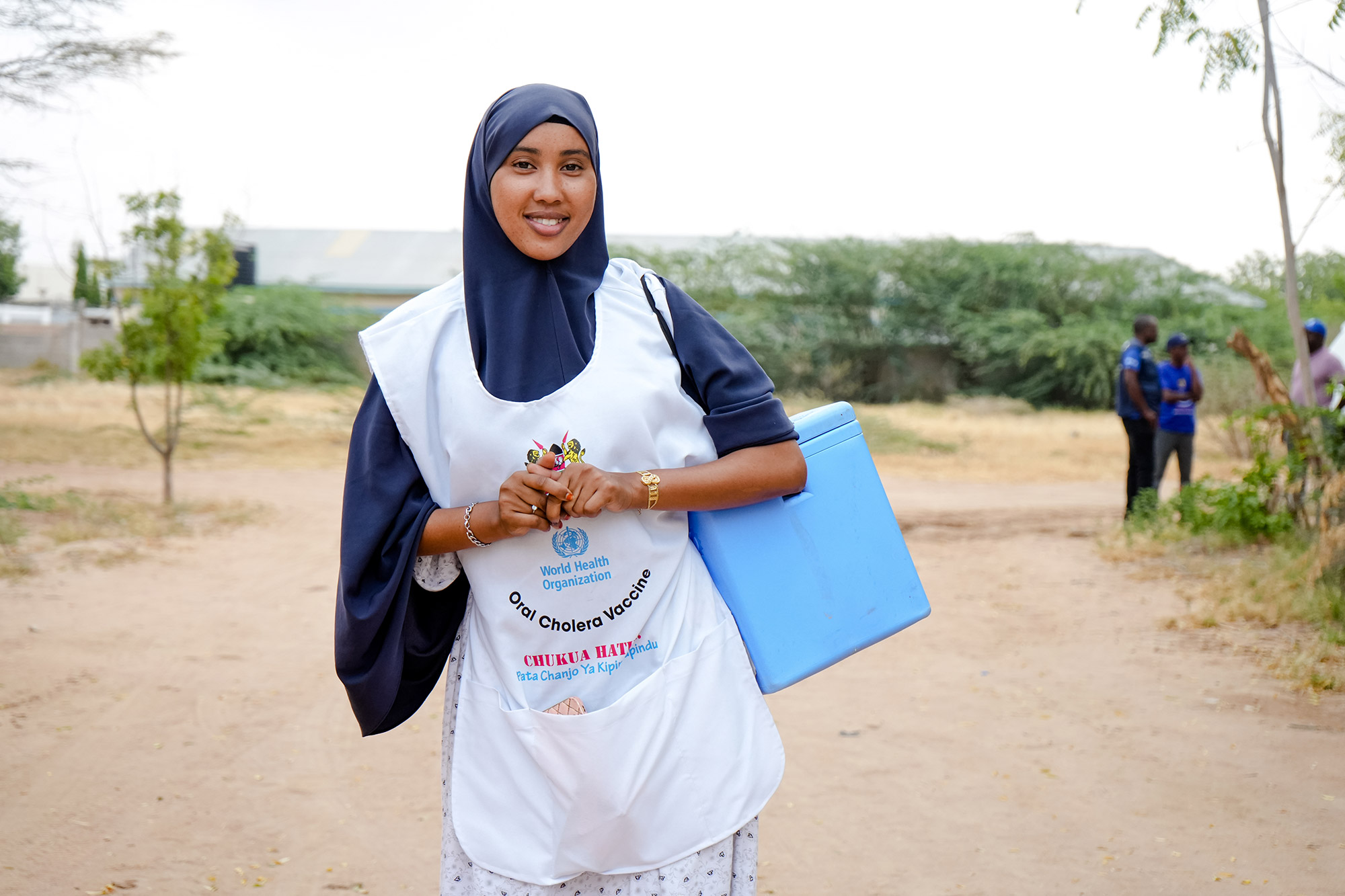
“Kharsouna,” in Hassanya, a language commonly spoken in both Mali and Mauritania, means “See us.”
In southeastern Mauritania, near the border with Mali, a silent crisis has been unfolding for years. For nearly 15 years, hundreds of thousands of people have fled violence in Mali to seek refuge in the poorest region of the neighboring country.
This photographic project documents a largely unseen reality: that of a local health system under extreme pressure, at the intersection of multiple crises: armed conflict, forced displacement, climate change, and chronic underfunding.
Today, more than 380,000 refugees live in Mauritania, the majority of them children. While the Mbera camp has long exceeded its capacity, a large proportion of refugees now live outside the camp, in isolated villages where access to healthcare, water, and food is extremely limited.
Through a series of documentary photographs, this project highlights the direct consequences of this situation on people’s health: childhood malnutrition, diseases linked to living conditions, delays in access to care, and the saturation of health facilities.
This work is based on an immersive and people-centered approach, built around scenes of daily life, portraits, and moments of care.
The objective is not only to show precarity, but also to reveal the systemic mechanisms at play: the impact of prolonged displacement on health, particularly mental health, the effects of water scarcity and extreme climatic conditions, and the overwhelming pressure placed on local healthcare structures.
The images are accompanied by first-hand testimonies, helping to contextualize life stories and give voice to the people directly affected.
This exposition is presented by the NGO Alima.

These photographs capture a reality that is often unseen: that of a healthcare system under constant strain. In the facilities supported, access to care remains a major challenge. Maternity wards are overcrowded due to a lack of beds, sometimes forcing new mothers to rest on the floor after giving birth. Medical teams work in precarious conditions, without electricity, with limited equipment, but with an unwavering commitment to providing vital care.
In this region, giving birth remains a risk. Yet these images also show women who are supportive and determined, finding in these facilities a safe space—sometimes the only one available.
The exhibition also highlights the situation of displaced populations forced to flee armed violence. In isolated camps, certain communities, such as Pygmy populations, suffer a double burden: exile and discrimination. Access to healthcare, food, drinking water, or even clothing becomes a daily challenge.
These vulnerabilities are exacerbated by extreme living conditions: food insecurity, dependence on natural resources, and vulnerability to climate hazards. Human health, living conditions, and the environment are closely intertwined here.
Finally, some images address a particularly difficult reality: sexual and gender-based violence. In a context of conflict and displacement, such violence is frequent and occurs within life trajectories already marked by multiple traumas. Care cannot be limited to emergency medical treatment: it requires comprehensive support, including psychological counseling, access to food, and lasting protection.
Beyond the statistics, this exhibition showcases life stories, immense challenges, and remarkable resilience. It serves as a reminder that near 8 million displaced people in the Congo is not a tragedy, but 8 million individual tragedies.
Above all, it underscores the urgency of action and the need to strengthen comprehensive approaches to meet people’s basic needs and preserve their dignity.
This exposition is presented by the NGO Première Urgence Internationales.
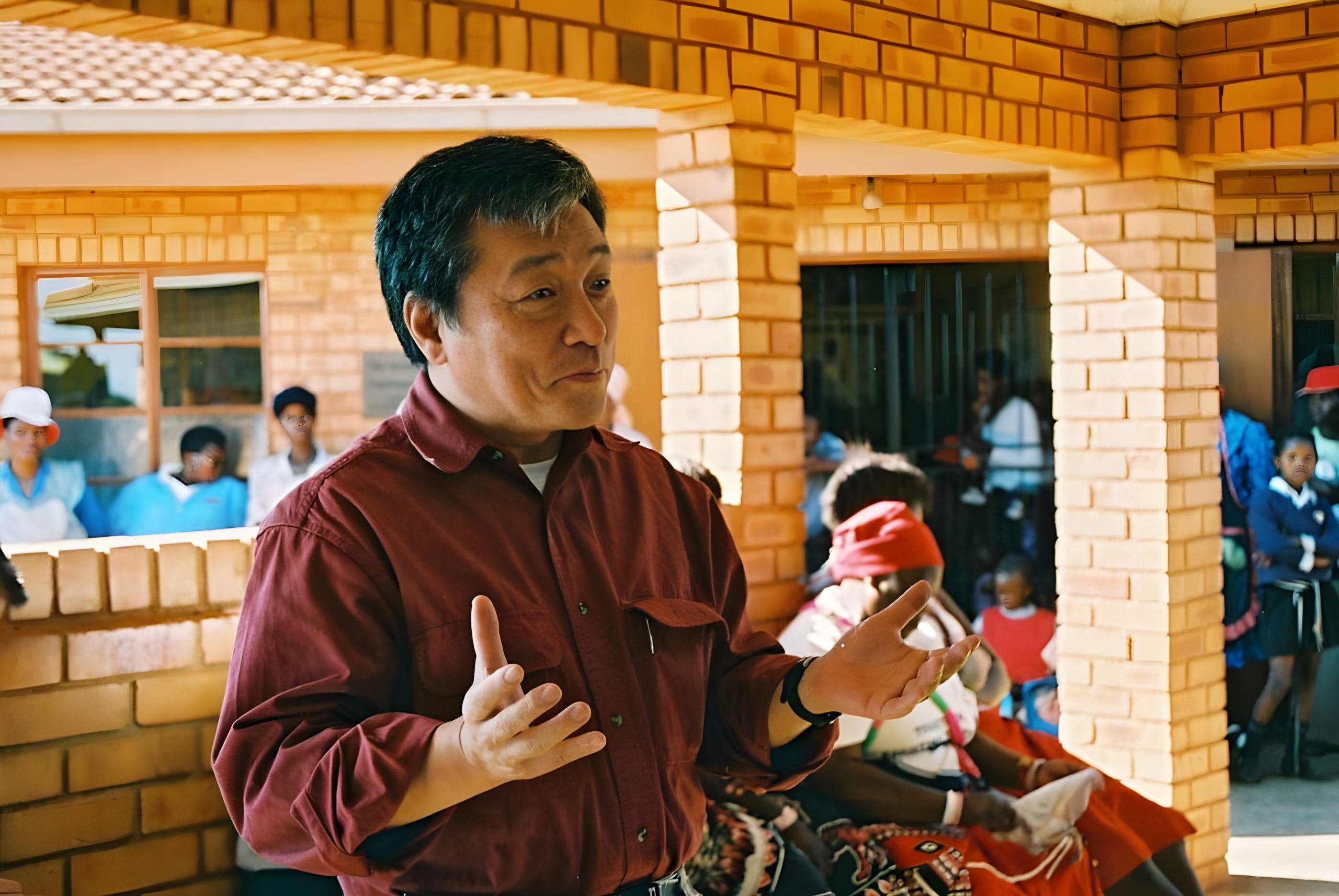
On the occasion of the Dr LEE Jong-wook Memorial Prize for Public Health 2026, held on Friday, May 22, 2026 in Geneva alongside the World Health Assembly, a photographic exhibition will pay tribute to the legacy of Dr LEE Jong-wook and to those who continue his commitment to global public health.
Former Director-General of the World Health Organization and the first Korean national to hold this position, Dr LEE Jong-wook left a profound mark on international public health through his vision of “Health for All.” His dedication to improving access to essential medicines, fighting infectious diseases, and strengthening health systems continues to inspire global health leaders and practitioners around the world.
Presented in parallel with the ceremony and conferences taking place on May 22, the exhibition will unfold in three parts. The first section highlights the life, commitment, and legacy of Dr LEE Jong-wook through a selection of photographs and archival materials. The second section brings together the fourteen most recent recipients of the Dr LEE Jong-wook Memorial Prize for Public Health, recognized for their outstanding contributions to public health worldwide. Finally, the third section will honor the 2026 laureate, whose name will be announced during the World Health Assembly week, showcasing their journey, dedication, and the impact of their work on the communities they serve.
This exhibition is prenseted by KOFIH.
How can we shape a more balanced narrative on migration?
The 4EU+ Alliance “Migration and Health” working group brings together researchers, students, and public health experts from the alliance’s eight European universities to better understand the health realities faced by people living in situations of migration across Europe. Through collaborative research and field studies, the group seeks to identify challenges linked to access to healthcare, social inclusion, and the broader determinants of health affecting migrant populations.
The alliance regularly meets in Geneva to work alongside international organizations such as the World Health Organization and the International Organization for Migration, strengthening dialogue between academic research, global health institutions, and policy actors. As part of this collaboration, the GRACE study seminar will take place on Monday, May 18, during the week of the World Health Assembly.
Another round table entitled “Migration, displacement and health in a changing world: from the margins to a global health priority” will be organized on Tuesday 19 May.
Beyond research activities, the working group also aims to encourage a more balanced and human narrative around migration. Through seminars, public discussions, and cultural initiatives, the alliance seeks to highlight the resilience, contributions, and experiences of migrants, while challenging the negative perceptions too often conveyed in public debate and media coverage.
In this context, a public exhibition will be presented from Monday, May 18 to Friday, May 22 at Campus Biotech alongside the World Health Assembly. Through photographs, testimonies, and research materials, the exhibition invites visitors to explore migration through the lens of health, dignity, and inclusion, while showcasing the collaborative work carried out within the 4EU+ Alliance.
Created by

She is a 30-year-old French photographer and videographer.
After working in the cultural sector for four years, she entered the humanitarian sector to give a voice to the most vulnerable people.
She had the opportunity to produce a documentary on the 40-year commitment of the NGO Première Urgence Internationale in Myanmar, where its work lies at the intersection of emergency aid and development.
In November 2025, she traveled to the DRC, specifically to Ituri and North Kivu, to document the NGO’s activities in the region, as well as the living conditions of thousands of families affected by the conflict.
Far from the sensationalist clichés people may have grown accustomed to, her work focuses on the resilience of communities, mutual aid, and the dedication of humanitarian workers.
Through this report, her goal is above all to remind audiences that behind the shocking statistics seen every day, there are individuals whose lives have been shattered by conflict.
To contact Tania RIeu : trieu@premiere-urgence.org
Cora Portais (b. 1993, Ivory Coast) is a Franco-Senegalese documentary photographer whose work engages with contemporary social, human, and political issues. Her practice explores the ways in which photography can bear witness to lived realities while questioning the power structures embedded in the production of images.
She began her photographic work at the age of 21 with a long-term project on access to education and healthcare for children with albinism in Senegal. The project received international recognition and was exhibited in Washington by the World Bank, as well as in Dar es Salaam and Nairobi, and presented during an international conference on albinism organized by the Open Society Foundation in South Africa.
Originally trained in journalism in France, where she worked with the Africa desk of Courrier International, Portais further developed her documentary approach in 2016 at The Market Photo Workshop in Johannesburg, a school founded by photographer David Goldblatt. There, she refined a socially engaged photographic practice while continuing her research on albinism and documenting marginalized urban communities in South Africa.
After returning to Senegal in 2017, she initiated several personal projects, including Etakaï, a series produced in Casamance that reflects on cultural transmission and the persistence of traditional practices within contemporary societies. In 2018, she was a semi-finalist in Magnum Photos’ Photography & Social Justice Program. Her work has since been presented in Europe and Africa, notably with the German gallery IkA, at the Iziko National Museum in Cape Town, and during festivals and the Off program of the Dakar Biennale.
Since 2019, Cora Portais has worked with the medical humanitarian organization ALIMA (The Alliance for International Medical Action), producing photographic documentation on public health issues in crisis contexts across the Sahel and Central Africa. Working in regions affected by conflict, displacement, and climate-related challenges – including the Central African Republic, Cameroon, and the Sahel – she documents themes such as epidemics, malnutrition, and maternal and child health.
Grounded in a sustained commitment to social justice, her work reflects on the ethics of documentary practice and the responsibility of the photographer in shaping visual narratives. Through long-term engagement and collaboration with the communities she photographs, Portais seeks to create images that move beyond representation to question how stories are told, who tells them, and for whom.
To contact Cora Portais : cora.portais@alima.ngo
The discussion at the World Health Assembly (WHA) is important because it aims to position health promotion as a central pillar of public policies, shifting from a care-centred approach to a comprehensive well-being approach based on action on the determinants of health and the engagement of all sectors of society.
A paradigm shift: from care to well-being
The document highlights a global framework for well-being (adopted in 2024) that seeks to reorient health systems towards health promotion, not only the treatment of disease. This implies recognising that health is primarily shaped by living conditions (social, environmental, and economic determinants).
A global policy priority under construction
The WHA discussion is key as it aims to firmly embed health promotion within policy agendas, in alignment with the Sustainable Development Goals and the Geneva Charter for Well-being.
Today, health promotion is still often secondary in public decision-making, despite being essential for building resilient and equitable societies.
A call for multisectoral and systemic action
The proposed framework emphasises an approach that “engages the whole of government and the whole of society.”
This directly strengthens approaches such as Health in All Policies and Healthy Cities, calling for transformation across governance, economic systems, and public policies.
An operational challenge: scaling up implementation
Finally, this discussion is strategic as it seeks to translate concepts into concrete implementation, through policy guidance, indicators, and actionable mechanisms for Member States.
👉 See preparatory document EB158/27 https://apps.who.int/gb/ebwha/pdf_files/EB158/B158_27-en.pdf
Five major approaches developed by the World Health Organization provide practical frameworks for acting on the determinants of health. They share a common objective: integrating health considerations across all public policies and living environments. By mobilising action at multiple levels — from local to global — these approaches aim to transform the conditions that shape health in everyday life. Together, they offer concrete levers to move from a care-oriented model towards a prevention- and equity-driven approach.
Social Determinants of Health framework
This foundational framework provides a comprehensive understanding of how social, economic, and political factors influence health outcomes and generate health inequalities. It distinguishes between structural determinants (such as governance, public policies, and social stratification) and intermediary determinants (including living conditions, behaviours, and access to services). It offers a conceptual basis for intersectoral action and is a key reference for addressing the root causes of health inequities.
👉 https://www.who.int/publications/i/item/9789241500852
Primary Health Care
Primary Health Care (PHC) is a whole-of-society approach to health that aims to ensure the highest possible level of health and well-being. It combines essential health services with action on the broader determinants of health, community empowerment, and multisectoral policies. PHC is central to achieving universal health coverage and reducing health inequalities by bringing services closer to where people live and by addressing their needs in a comprehensive way.
Creating Healthy Cities
This approach places health at the centre of local policies and urban governance. It encourages cities to act on key determinants such as urban planning, transport, housing, environment, and social cohesion. By engaging local authorities, stakeholders, and citizens, it promotes participatory and sustainable actions to improve health and well-being in urban settings.
👉 https://www.who.int/activities/creating-healthy-cities/creating-healthy-cities
Health in All Policies and intersectoral action capacities
This approach focuses on systematically integrating health considerations into all public policies (such as economy, education, transport, agriculture, etc.). The aim is to improve policy coherence and to act upstream on the determinants of health.
👉 https://www.who.int/activities/Promoting-health-in-all-policies-and-intersectoral-action-capacities
WHO urban health strategies
This global framework addresses the specific challenges of urban settings (inequalities, pollution, access to services). It is aligned with the Geneva Charter for Well-being, which calls for building well-being societies by acting on the structural determinants of health, and with the WHO global framework for integrating well-being into public health (2023–2024), which provides strategic guidance for transforming systems. These urban strategies promote integrated, evidence-informed action and collaborative governance to make cities healthier, more inclusive, and more resilient.
👉 https://www.who.int/publications/i/item/9789240116177
👉 https://www.who.int/publications/i/item/9789240084858
👉 https://www.who.int/publications/m/item/the-geneva-charter-for-well-being
15:30 – 17:30
This meeting is not open to the public.
It brings together stakeholders from Shanghai and Geneva who will explore opportunities for collaboration between Hospitals from Shanghai and Geneva University Hospitals.
12:30 – 14:30
This meeting is not open to the public.
It brings together stakeholders from Shanghai and Geneva who will explore opportunities for collaboration.
8:30 – 12:00
This meeting is not open to the public.
It brings together stakeholders from Shanghai and Geneva who will explore opportunities for collaboration.
The first session will explore the possibility of collaborating in the field of medical research.
The second session will explore opportunities for collaboration on tripartite projects involving China, Switzerland, and Africa. The role of digital tools in health programs and women’s health programs will be discussed in particular.
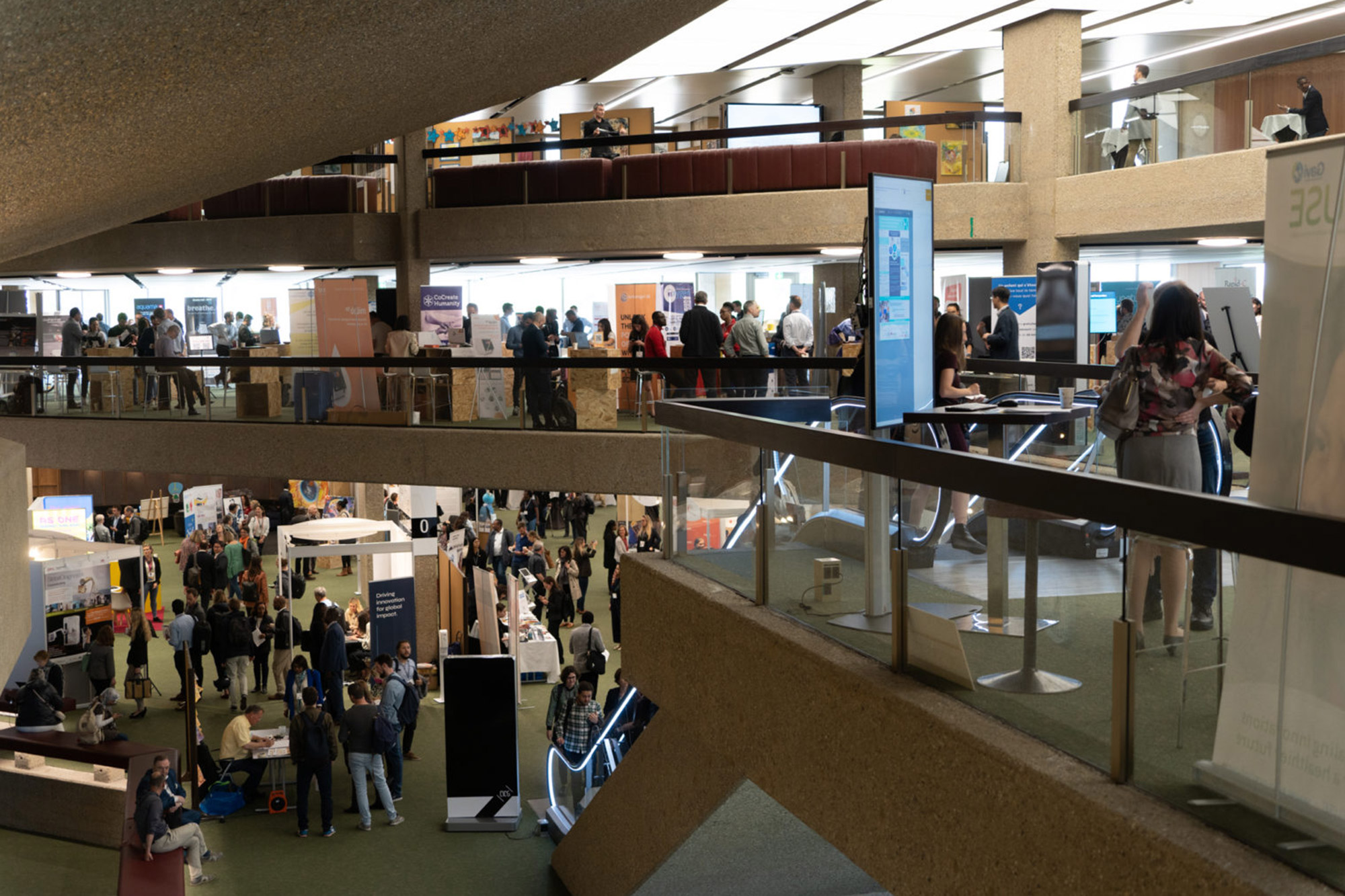
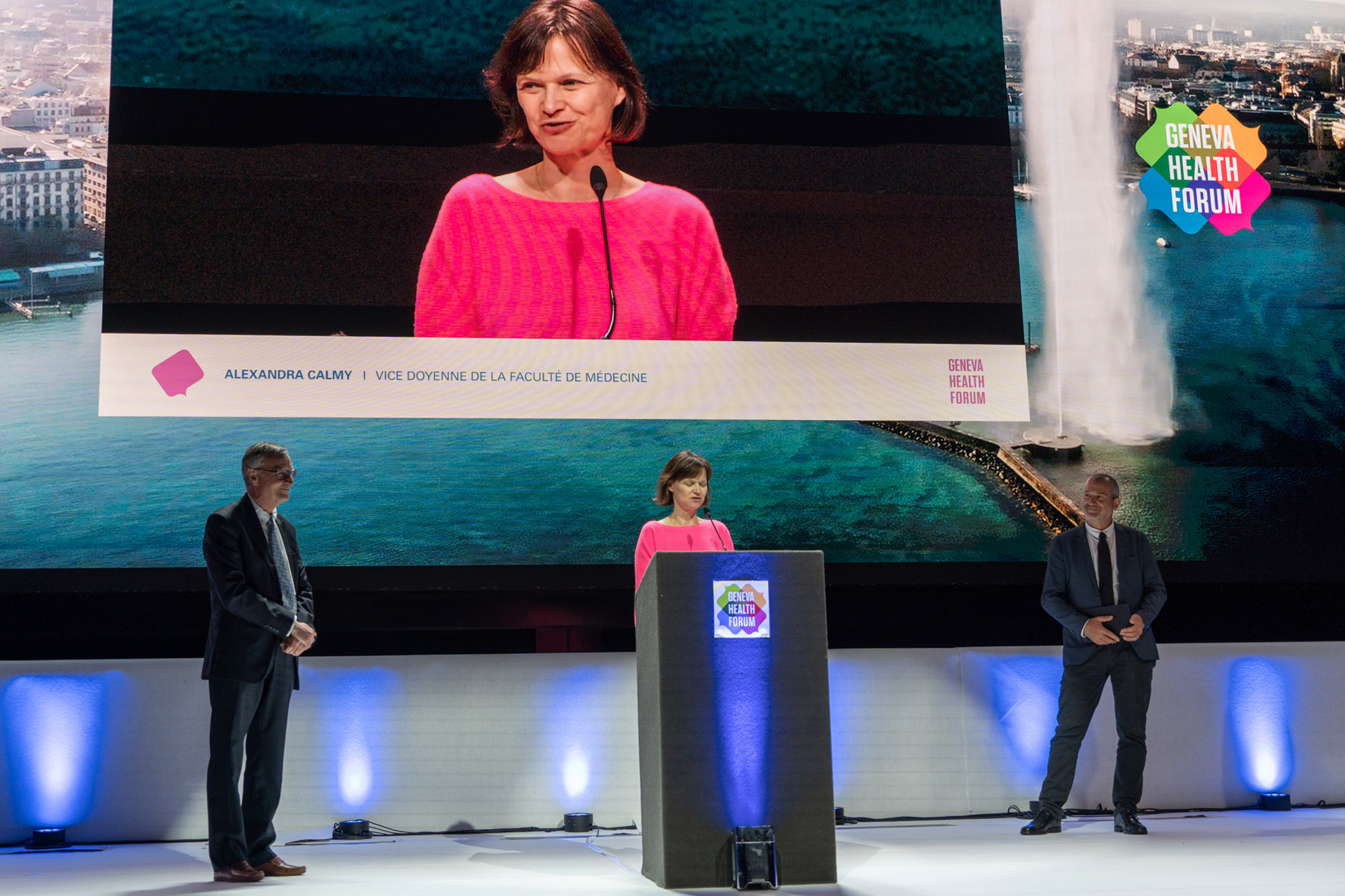
Established in 2006 by the University Hospitals of Geneva (HUG) and the University of Geneva (UNIGE), the Geneva Health Forum (GHF) is a Swiss not-for-profit initiative that brings together a diverse range of stakeholders to discuss and address global health challenges.
The GHF plays a pivotal role in the global health landscape, as a neutral and inclusive platform, fostering dialogue and collaboration among key players in the field, including policymakers, representatives from academia, civil society, and the private sector.
Its core mission is to facilitate constructive dialogue among these global health actors, which, in turn, contributes to the improvement of health policies and access to care worldwide. The Geneva Health Forum proudly collaborates with some of the most prominent international organizations based in Geneva.