Leave No One Behind: Building Resilient Long-Term Care Systems through Integrated Health and Social Care: experience from Ukraine and beyond

Strategic Context

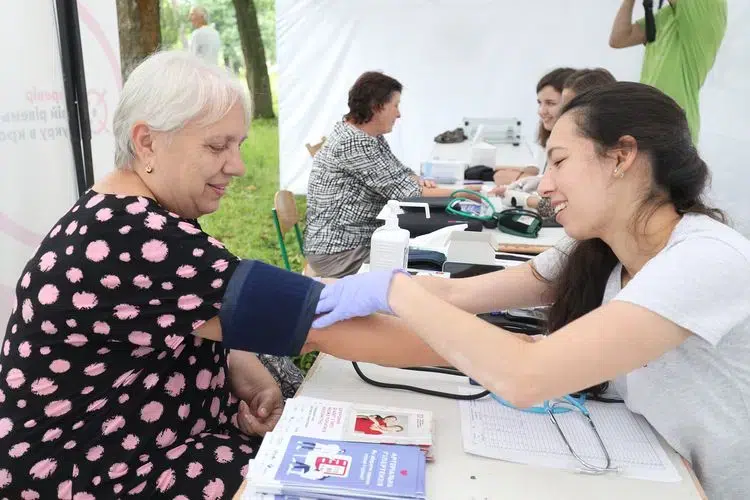
Across Europe and beyond, demographic ageing, rising prevalence of noncommunicable diseases (NCDs), multimorbidity, and increasing disability are driving sustained growth in demand for long-term care (LTC). Health systems designed around acute, episodic care are under increasing pressure to adapt to chronic, complex, and home-based care needs.

Long-term care encompassing health, personal, and social services for individuals experiencing loss of intrinsic capacity is now a defining determinant of health system resilience, fiscal sustainability, and social cohesion. Yet in many countries, LTC systems remain fragmented between health and social sectors, underfinanced, workforce-constrained, and insufficiently integrated into broader health reform agendas.

Strengthening integrated long-term care directly contributes to:

  • Strengthening integrated long-term care (LTC) systems delivers multidimensional benefits across health, social, and economic domains. It significantly reduces avoidable hospitalisations and unnecessary institutionalisation by shifting care toward preventive, community and home-based models that ensure continuity and early intervention.
  • Beyond the health sector, well-designed LTC systems support labour market participation particularly for women, who disproportionately shoulder informal caregiving responsibility, thereby promoting gender equity and economic productivity
  • Improve Universal Health Coverage (UHC) for continuum care for people with LTC left behind and financial protection
  • Health system resilience and efficiency
  • At the societal level, strengthened LTC frameworks reinforce social inclusion, protect vulnerable populations, and uphold dignity and human rights, ensuring that no one is left behind across the life course.

Objectives

The objective is to raise awareness about the growing prevalence and impact of non-communicable diseases (NCDs) such as cardiovascular diseases, diabetes, cancer, and chronic respiratory diseases in the EECA region and to promote the development and implementation of integrated care models that ensure continuity of care across different levels of the health and social care system This includes highlighting epidemiological data, health system challenges, and socio-economic consequences and life course approach. The event also seeks to bring together medical specialists, public health experts, academics, donors, and decision-makers from the health and social care sectors from different countries. Their participation will enable peer learning from international best practices, successful national reforms, and person-centred approaches that address both medical and social needs of individuals living with LTC.

The dialogue aims to:

  1. Position long-term care as a strategic investment within European health and social policy frameworks.
  2. Present evidence on integrated home- and community-based care models.
  3. Explore governance and financing mechanisms that enable effective coordination between health and social sectors from different regions.
  4. Examine workforce transformation strategies necessary for sustainable LTC systems.
  5. Share Ukraine’s experience and identify transferable policy lessons.
  6. Identify priority actions for strengthening LTC within broader European reform and recovery agendas.

Speakers

BRAGA Marina
Health Promotion Coordinator
GFA Consulting Group
Germany
GVOZDETSKA Olga
Deputy Director General
Public Health Center of the Ministry of Health
Ukraine
HABICHT Jarno
Head of WHO Country Office
World Health Organization
Ukraine
ILKIV Petro
National Program Officer
Swiss Agency for Development and Cooperation
Ukraine
LIASHKO Viktor
Minister of Health
Ministry of Health
Ukraine
NURI Besim
Project Manager
Health for All project Swiss TPH
Switzerland
PRYTHERCH Helen
Head of Unit
Swiss TPH
Switzerland
RIMIS Constantin
Healthy life project manager
Swiss TPH
Switzerland
SBANATSKYI Vladyslav
Project Manager
Act4Health
Ukraine
SCHILDACH Eva
Director Health Department
GFA Consulting Group
Ukraine
SKIPALSKYI Andrii
Unit Lead NCD Management
World Health Organization
Ukraine
SKORBUN Iryna
Private Sector Development Manager
GFA Consulting Group
Germany
WAGANIVALU Temo K
Founder
Action NCD International
Switzerland
WASBAUER Veronique
Principal, Adviser for Non- Communicable Diseases
European Commission’s Directorate-General for Health and Food Safety
Luxembourg
WEILDER Gundo
Strategic Advisor to the Director
WHO-EURO
Ukraine
WYSS Kaspar
Professor
Swiss TPH
Switzerland

Agenda


09.00Opening Statement
09.30Integrated Home-Based Care in Ukraine: Needs, Gaps, and System Implications
09.50Presentation: NCD/Long-term care in emergency settings, building back better – the way forward for Ukraine
10.20Presentation: World Bank. 2025. From reform to resilience: Advancing NCD care in Ukraine
10.40Presentation: Non-Communicable Diseases in Ukraine: Challenges, Continuity, and Recovery During War. Role of Ukraine Public Health
11.00Coffee Break
11.15Presentation: Project. Achievements and bottlenecks in the roll-out of home care services for improvedNCD control in Albania
11:35Presentation: Healthy Life Project: Multisectoral approaches to reducing the burden of NCDs in the Republic of Moldova
11.55Prevention Today, Healthier Futures
Tomorrow: Schools at the Frontline of
Reducing NCDs and Long-Term
Health Care Needs
12.15Panel discussion: Long-Term Care Ecosystem: Governance, Financing and Accountability
14.00Lunch
14.45Presentation: Integrated Health Services project -Self-management of diabetes and hypertension – building confidence among patients and caregivers in Kosovo
15.05Presentation: Long-Term Care: Ukraine and wider Eastern Europe and Central Asia: regional trends, challenges and ways forward
15.25Presentation: From Home-Based Services to an Integrated Care Ecosystem
15.45Presentation: School for people in needs of Long-Term Care experience from other countries
16.05Networking time

Registration is free but mandatory

Organizers

Geneva Health Forum at the World Health Assemby 2026

About the Geneva Health Forum

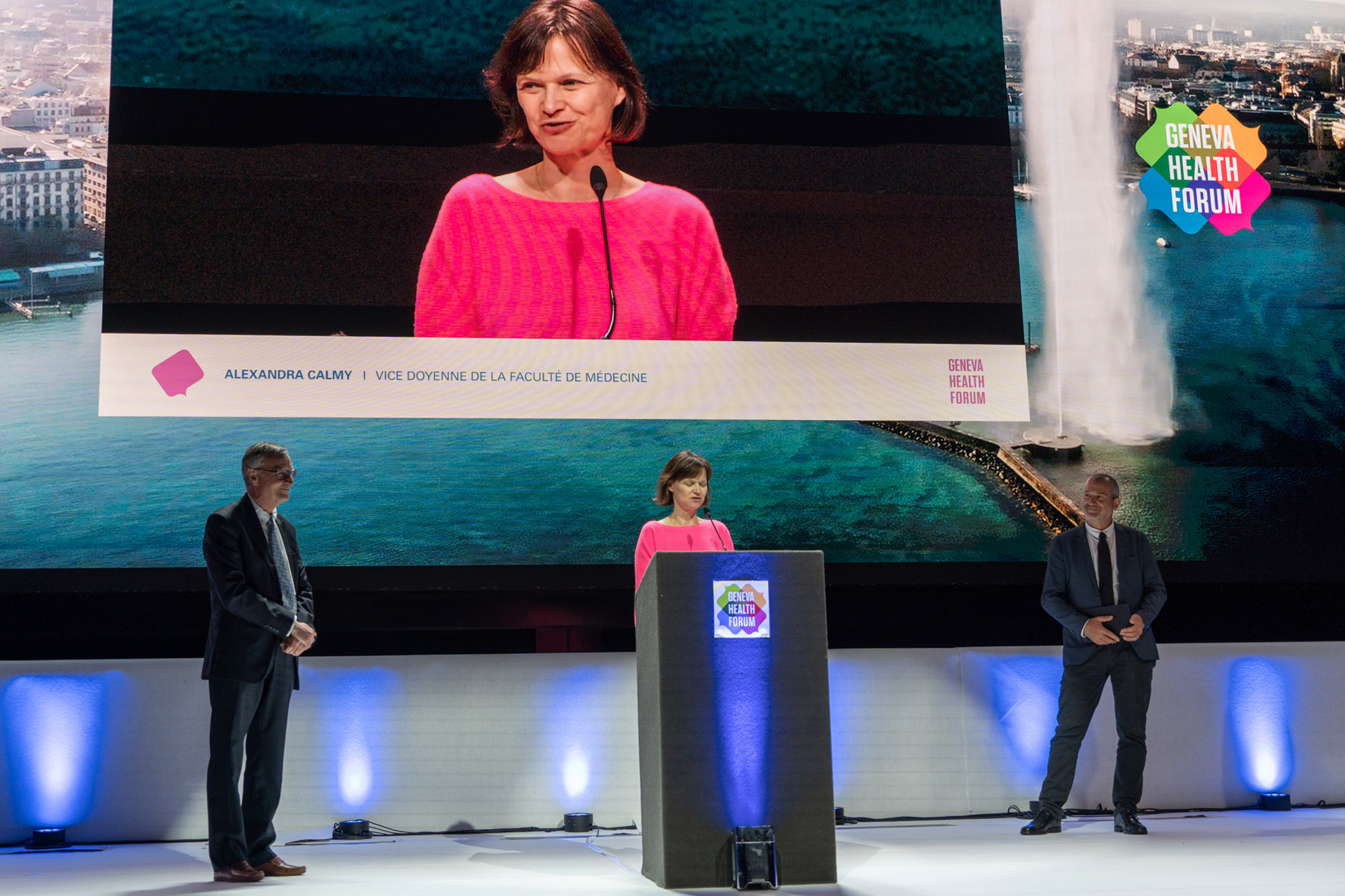
Established in 2006 by the University Hospitals of Geneva (HUG) and the University of Geneva (UNIGE), the Geneva Health Forum (GHF) is a Swiss not-for-profit initiative that brings together a diverse range of stakeholders to discuss and address global health challenges.

The GHF plays a pivotal role in the global health landscape, as a neutral and inclusive platform, fostering dialogue and collaboration among key players in the field, including policymakers, representatives from academia, civil society, and the private sector.

Its core mission is to facilitate constructive dialogue among these global health actors, which, in turn, contributes to the improvement of health policies and access to care worldwide. The Geneva Health Forum proudly collaborates with some of the most prominent international organizations based in Geneva.